

















































Istikhara for Business Growth Decisions: In today’s competitive world, business growth decisions are critical and often complex. Whether you are planning to expand your business, invest in new opportunities, hire a team, or pivot your strategy, every decision carries risk. Even experienced entrepreneurs struggle with uncertainty when making high-stakes choices.
Islam offers a powerful and balanced solution for such situations through Istikhara, a prayer for guidance that helps believers make decisions aligned with both worldly success and spiritual well-being. Many business owners today are turning to Istikhara for business growth decisions to gain clarity and confidence.
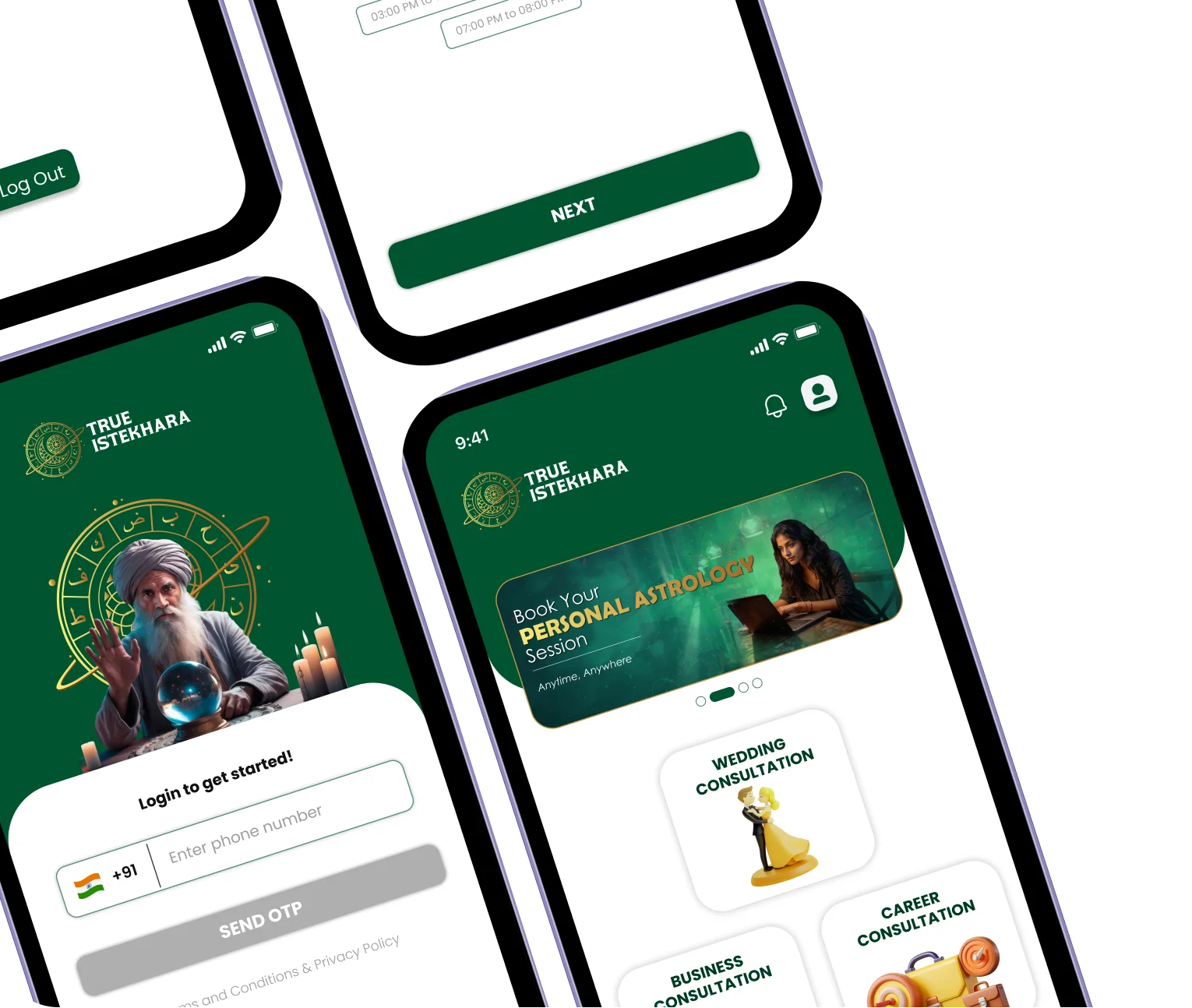
Platforms like True Istikhara help entrepreneurs understand how to use Istikhara effectively in business, combining strategic thinking with spiritual guidance.
This SEO-optimized blog explores how to use Istikhara for business growth, when to perform it, key benefits, and how to interpret its outcomes, ensuring you make informed and faith-based business decisions.
Table of Contents
Understanding Business Growth in Islam
Business growth in Islam is not just about increasing profits—it is about achieving barakah (blessings), sustainability, and ethical success.
Islam encourages entrepreneurs to:
- Earn halal income
- Maintain honesty and fairness
- Avoid unethical practices
- Make decisions with wisdom
True Istikhara emphasizes that true success lies in both financial growth and spiritual alignment.
Why Business Growth Decisions Need Istikhara


Business growth decisions often involve:
- Financial risks
- Market uncertainty
- Strategic planning
- Long-term commitments
Why Istikhara Is Important:
1. Removes Decision Confusion
Helps entrepreneurs think clearly without emotional bias.
2. Aligns Business with Faith
Ensures decisions follow Islamic principles.
3. Reduces Risk Anxiety
Trusting Allah provides emotional stability.
4. Guides Toward Beneficial Opportunities
Allah opens doors that bring growth and closes harmful paths.
True Istikhara highlights that Istikhara supports decision-making—it does not replace effort.
When to Perform Istikhara for Business Growth


You should perform Istikhara when facing major business decisions such as:
Business Expansion
Opening new branches or entering new markets.
Investment Decisions
Investing large amounts of money in new opportunities.
Partnerships
Choosing business partners or collaborations.
Hiring Decisions
Expanding your team or leadership structure.
Strategic Changes
Pivoting your business model or entering new industries.
True Istikhara encourages performing Istikhara when there is uncertainty between multiple halal options.
How to Perform Istikhara for Business Decisions

Performing Istikhara for business growth is simple and powerful.
Step-by-Step Process:
Step 1: Define the Decision
Clearly identify the business choice you need guidance for.
Step 2: Pray Two Rak‘ahs
Offer two voluntary units of prayer sincerely.
Step 3: Recite Istikhara Dua
Ask Allah to guide you toward what is best.
Step 4: Observe Outcomes
Watch how situations unfold naturally.
True Istikhara explains that guidance comes through clarity, ease, and real-world developments—not just dreams.
Signs After Istikhara for Business Growth
After performing Istikhara, guidance may appear in different ways.
Positive Signs:
- Smooth progress in the decision
- Increased confidence and clarity
- Opportunities opening easily
Negative Signs:
- Continuous obstacles
- Delays or complications
- Loss of interest in the decision
The key is to trust Allah’s guidance and remain patient.
Common Mistakes in Business Istikhara
Mistakes to Avoid:
- Expecting immediate or dramatic signs
- Ignoring research and planning
- Making decisions purely emotional
- Repeating Istikhara excessively
True Istikhara focuses on balanced decision-making combining strategy and spirituality.
Combining Istikhara with Business Strategy



Istikhara works best when combined with practical planning.
Key Business Steps:
- Market research
- Financial analysis
- Risk assessment
- Expert consultation
- Strategic planning
Islam encourages Tawakkul (trust in Allah) along with effort (Amal).
Benefits of Using Istikhara for Business Growth
Clarity in Decision-Making
Reduces confusion and doubt.
Emotional Stability
Helps manage stress during business decisions.
Ethical Growth
Ensures decisions align with Islamic values.
Long-Term Success
Focuses on sustainability and barakah.
True Istikhara helps entrepreneurs achieve balanced success in both business and spirituality.
Online Business Guidance with True Istikhara



True Istikhara provides:
- Business Istikhara guidance
- Growth decision consultation
- Spiritual clarity support
- Ethical business advice
Benefits:
- Confidential consultation
- Easy accessibility
- Expert guidance
- Faith-based solutions
Frequently Asked Questions (FAQs): Istikhara for Business Growth Decisions
1. Can Istikhara help in business growth decisions?
Yes, it provides clarity and guidance when making important business choices.
2. How long does Istikhara take to show results?
Guidance appears gradually through circumstances.
3. Should I rely only on Istikhara for business decisions?
No, combine it with research and strategic planning.
4. What if I feel confused after Istikhara?
You can repeat it and seek expert consultation.
5. Is online Istikhara guidance reliable?
Yes, when provided by authentic platforms like True Istikhara.
Conclusion
Business growth decisions require a combination of strategy, courage, and clarity. Islam provides a powerful framework through Istikhara, helping entrepreneurs make decisions with confidence and faith.
By combining spiritual guidance with practical planning, you can ensure that your business decisions lead to success, stability, and barakah. True Istikhara plays a vital role in helping entrepreneurs navigate complex decisions and achieve meaningful growth.
If you are planning business expansion or facing critical decisions, seek authentic guidance from True Istikhara. Make smarter, faith-based business decisions and grow your success with clarity and confidence.