









































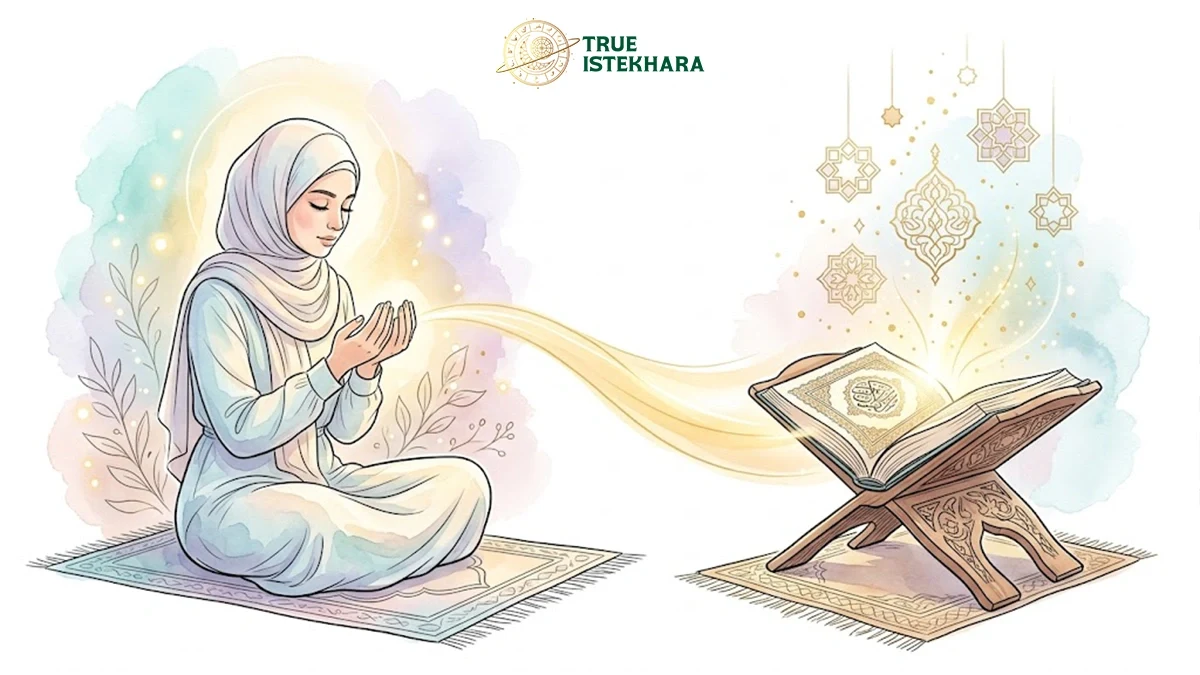
Power of Dua and Istikhara for emotional healing: In today’s fast-paced and demanding world, emotional struggles have become increasingly common. People face stress from relationships, career uncertainty, family responsibilities, financial concerns, and major life decisions. These challenges can create feelings of anxiety, confusion, sadness, fear, and emotional exhaustion.
During difficult times, many individuals seek comfort, clarity, and peace. Islam offers powerful spiritual tools that help believers navigate emotional challenges while strengthening their connection with Allah. Among the most powerful of these tools are Dua and Istikhara.
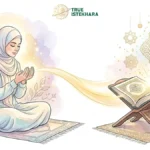
Dua allows believers to communicate directly with Allah, while Istikhara helps individuals seek divine guidance when facing important decisions. Together, they create a foundation for emotional resilience, spiritual growth, and inner peace.
At True Istikhara, the focus is on helping individuals understand and practice authentic Istikhara for major life decisions. Through proper guidance, believers can approach uncertainty with confidence and trust in Allah’s wisdom.
This comprehensive guide explores the power of Dua and Istikhara for emotional healing, how they help reduce stress and confusion, common misconceptions, and practical ways to strengthen emotional well-being through Islamic guidance.
Table of Contents
Understanding Emotional Healing in Islam
Emotional healing in Islam begins with strengthening one’s relationship with Allah.
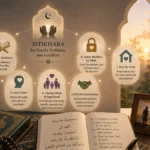
Islam teaches that emotional well-being is connected to:
- Faith (Iman)
- Prayer (Salah)
- Dua (Supplication)
- Patience (Sabr)
- Trust in Allah (Tawakkul)
- Seeking guidance through Istikhara
When believers strengthen these aspects of faith, they often experience greater emotional balance and resilience.
Why Emotional Stress Is Increasing Today: Emotional healing in Islam
Modern life presents many emotional challenges.
Common Sources of Emotional Stress
Relationship Problems
Marriage concerns, misunderstandings, and emotional uncertainty.
Career Confusion
Difficulty choosing the right professional path.
Financial Pressure
Concerns about income, stability, and future planning.
Family Conflicts
Tensions and disagreements within families.
Fear of the Unknown
Uncertainty about future outcomes.
These challenges often leave people searching for peace and guidance.
What Is Dua and Why Is It So Powerful?
Dua is one of the most intimate acts of worship in Islam.
It allows believers to:
- Speak directly to Allah
- Share worries and fears
- Ask for guidance
- Seek strength and patience
- Express gratitude
Emotional Benefits of Dua
Reduces Emotional Burden
Sharing concerns with Allah creates relief.
Increases Hope
Believers remember that Allah is always listening.
Strengthens Faith
Dua reinforces trust in Allah’s mercy and wisdom.
Creates Inner Peace
Prayer helps calm emotional turmoil.
True Istikhara encourages individuals to make sincere Dua regularly, especially during times of uncertainty.
Understanding Istikhara: Istikhara for emotional peace
Istikhara means seeking goodness and guidance from Allah regarding an important matter.
The Prophet Muhammad (PBUH) taught Muslims to perform Istikhara whenever they face uncertainty about significant decisions.
Situations Where Istikhara Helps
- Marriage proposals
- Career opportunities
- Business decisions
- Relocation plans
- Family matters
- Financial choices
At True Istikhara, individuals receive authentic guidance on understanding and performing Istikhara correctly.
How Istikhara Supports Emotional Healing: Dua for stress and anxiety
Many emotional struggles stem from uncertainty.
When people feel unsure about important decisions, they often experience:
- Anxiety
- Fear
- Overthinking
- Emotional exhaustion
Istikhara helps by creating a structured process for seeking guidance.
Reduces Overthinking
People stop trying to predict every possible outcome.
Encourages Trust in Allah
Faith becomes stronger during uncertain situations.
Provides Emotional Stability
Individuals feel more supported spiritually.
Improves Decision-Making
Choices become clearer through guidance and reflection.
True Istikhara helps people understand how these benefits develop through authentic Islamic practice.
How Dua and Istikhara Work Together: Online Istikhara guidance
Dua and Istikhara complement each other perfectly.
Dua Helps You Express
You share fears, hopes, concerns, and emotions with Allah.
Istikhara Helps You Seek Direction
You ask Allah to guide you toward what is best.
Together they:
- Reduce confusion
- Increase confidence
- Strengthen faith
- Improve emotional resilience
- Create peace of mind
This combination is especially powerful during major life decisions.
Signs of Emotional Relief After Istikhara
Many people wonder how guidance appears after Istikhara.
Common Signs Include
Greater Calmness
Stress begins to decrease.
Reduced Confusion
Decisions feel less overwhelming.
Increased Confidence
Trust in Allah becomes stronger.
Easier Circumstances
Opportunities may develop more naturally.
Better Perspective
People view situations more clearly.
True Istikhara emphasizes that guidance often comes through clarity and circumstances rather than dramatic signs.
Common Misconceptions About Emotional Healing Through Istikhara
Myth 1: Istikhara Is Only for Marriage
Istikhara can be performed for any important halal decision.
Myth 2: You Must See a Dream
Dreams are not required for guidance.
Myth 3: Istikhara Solves Problems Instantly
Guidance often unfolds gradually.
Myth 4: Prayer Replaces Practical Action
Islam encourages both faith and effort.
True Istikhara focuses on authentic Islamic understanding rather than myths and misconceptions.
Practical Islamic Habits for Emotional Well-Being
To strengthen emotional health:
Maintain Regular Salah
Prayer creates stability and connection.
Make Daily Dua
Speak openly to Allah about your concerns.
Perform Istikhara When Needed
Seek guidance for important decisions.
Read Quran Regularly
Gain wisdom, comfort, and perspective.
Practice Tawakkul
Trust Allah after making sincere efforts.
These habits support long-term emotional resilience.
Why People Choose True Istikhara
True Istikhara specializes in:
- Authentic Istikhara guidance
- Marriage Istikhara consultation
- Career decision support
- Business guidance
- Family decision consultation
- Online Istikhara services
The goal is to help individuals gain clarity through proper Islamic guidance.
Frequently Asked Questions
Can Dua help with emotional stress?
Yes. Dua provides comfort, hope, and spiritual connection during difficult times.
How does Istikhara support emotional healing?
Istikhara helps reduce uncertainty and improve confidence when making important decisions.
Do I need to see a dream after Istikhara?
No. Guidance often comes through clarity, circumstances, and peace of mind.
Can I perform Istikhara for career and business decisions?
Yes. Istikhara can be performed for any important halal matter.
Does True Istikhara provide emotional counseling?
True Istikhara focuses on authentic Istikhara guidance and decision-making support rooted in Islamic teachings.
Conclusion: Power of Dua and Istikhara for emotional healing
Emotional challenges are a natural part of life, but Islam provides powerful tools to help believers find peace and strength. Through sincere Dua and proper Istikhara, individuals can reduce confusion, strengthen their faith, and approach difficult situations with greater confidence.
Dua helps believers connect directly with Allah, while Istikhara provides guidance during important decisions. Together, they create a path toward emotional healing, spiritual growth, and inner peace.
At True Istikhara, the focus is on helping individuals understand and practice authentic Istikhara so they can make informed decisions while trusting Allah’s wisdom and guidance.
Are you facing uncertainty about marriage, career, business, family matters, or another important life decision?
Connect with True Istikhara for authentic Istikhara guidance and personalized consultation. Seek Allah’s guidance with confidence and gain clarity for the decisions that matter most.