

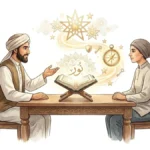

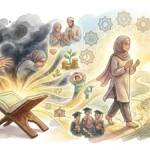
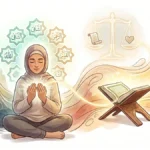
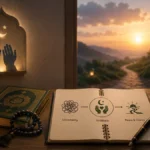
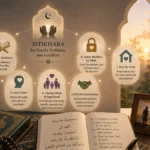
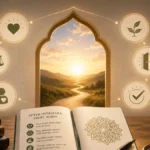
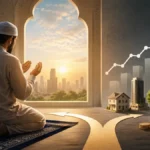
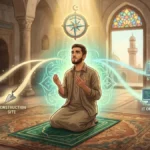
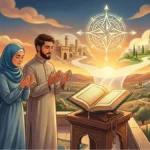
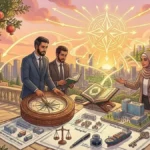
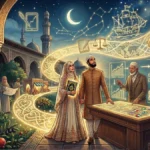
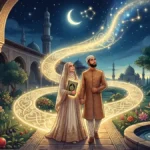
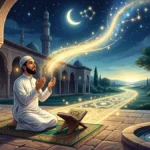
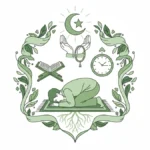



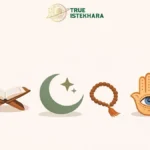
Power of Spiritual Symbols: All spiritual traditions use symbols that act as a “bridge between the seen and unseen.” Symbols contain wisdom and convey a message that transcends language and fosters consciousness. In Islamic spirituality, mystical symbols have a deeply significant role—they point towards “divine awareness and understanding.”
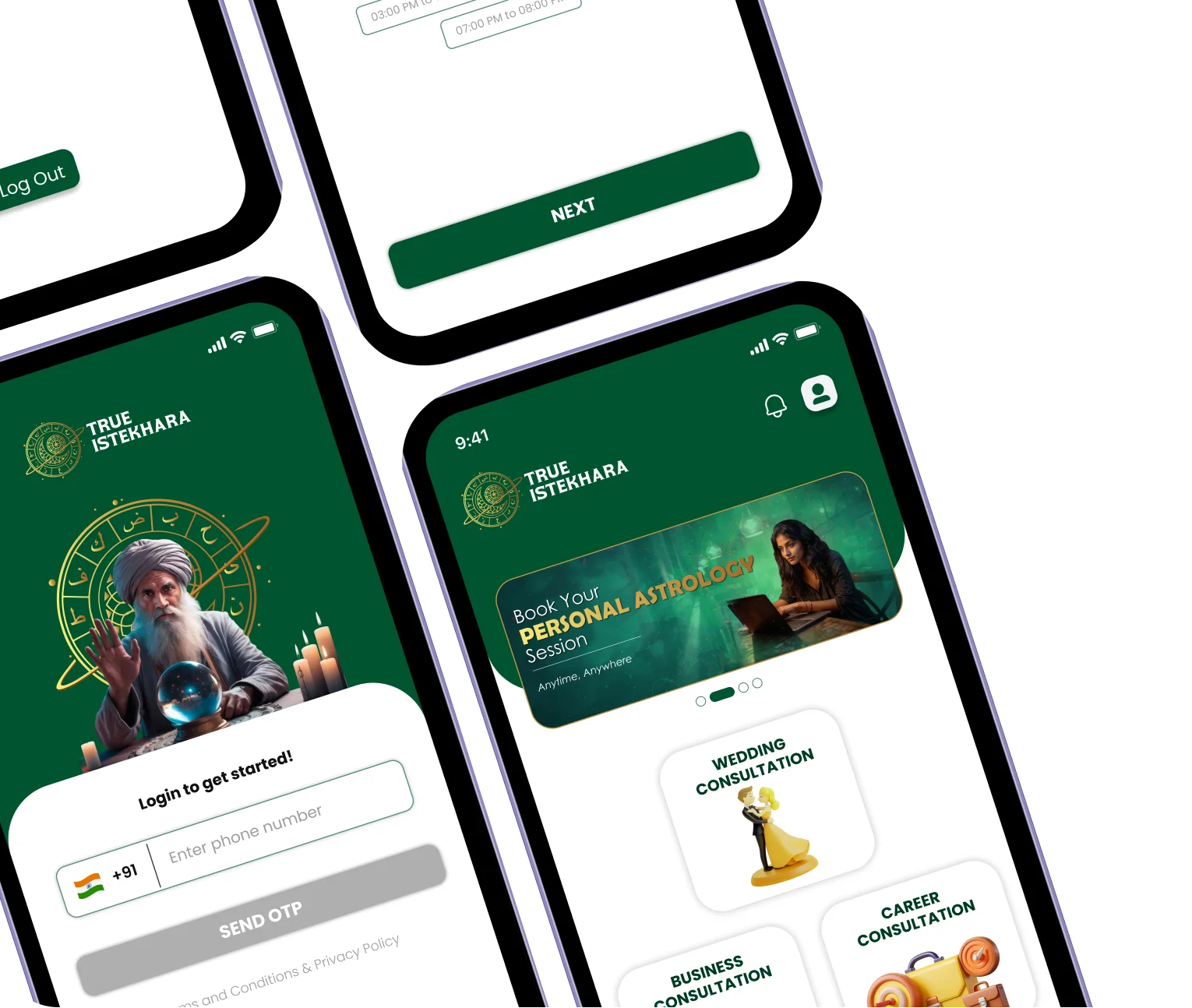
As a crossroads of tradition and contemporary spiritual research, True Istikhara provides a refined look at spiritual symbols/mystical icons for reflection and transformation. While incorporating ancient knowledge of symbolism from the past with modern spiritual consultations in decision-making, True Istikhara is essentially transforming the way people connect with Islamic Mysticism/Istikhara Advice/Symbols for Making Decisions in the spiritual realm.
The article examines the application of mystical symbols in Islamic spiritualism, the applicability of the symbols in contemporary society, and how True Istikhara puts the power of the symbols into play for the purpose of a spiritually balanced life.
Table of Contents
Deciphering Spiritual Symbols in Islamic Mysticism
Symbols in the spiritual realm are not objects of veneration but rather symbols, or ayat, pointing to divine realities.” Symbolism in Islam is deeply rooted in the Quran, the prophetic traditions, and the classical writings of the mystics.
The Role of Symbols in Spiritual Consciousness
They function at multiple levels:
- Cognitive – offering conceptual meaning
- Emotional – evoking inner states
- Spiritual – facilitating divine awareness, because spirituality
In the spirituality of Islam, symbolism has a close link with the concept of tawhid (oneness with God), as it prepares the heart for remembrance (dhikr). The repetition of spiritual symbolism can help with spiritual alertness and awareness.
While literal instructions require action, thinking, and doing, the use of symbols encourages reflection, tolerance, and spiritual growth.
Mystical Icons in Islamic Tradition
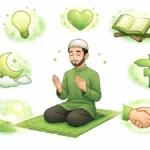
1. Light (Nur)
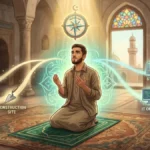
Light is one of the most prominent Sufi symbols in Islam. It signifies the following:
- Divine guidance
- Spiritual illumination
- Inner clarity
- Truth overcoming confusion
“The symbolism of light is particularly apt in the context of Istikhara, where the practitioners seek the illumination of Allah to guide them along the best path.”
2. The Heart (Qalb)
In Islamic mysticism, it is the heart that is regarded as having perceptions—not simply the intellect. It is only a purified heart that can receive divine signs and intuition.
As-salamu alaykum The actual meaning of Istikhara is based upon correct discernment from the heart
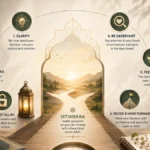
3. The Straight Path (Sirat al-Mustaqim)
This icon, commonly represented in terms of linear geometry or directional metaphor, encompasses the following aspects:
- Moral alignment
- Spiritual discipline
- Consistency in Faith
This is very much in sync with people looking for a sense of direction in their lives, in their professional arenas, or in their relationships.
4. Sacred Geometry
Islamic geometry patterns represent God’s perfection in terms of order, symmetry, and infinity.
Such patterns are not for purposes of aesthetics only but are meditations for the eyes.
The True Istikhara Approach to Mystical Symbolism
True Istikhara combines the understanding of symbols into its comprehensive system of spiritual consultation and Istikhara advisory services. Instead of dealing with symbols in abstract notions, the platform provides them in the context of:
- Decision-making by individuals
- Emotional clarity
- Spiritual Alignment
- Faith-centered reflection
Such an approach is highly appealing to contemporary seekers in their quest for:
- Cyberspace sources of spiritual advice based
- Effective Istikhara Consultations
- Clarity in Life Choices Based on FAITH
Through reconnecting people with symbolic literacy, True Istikhara assists in giving depth to modern spirituality.
Symbols and Istikhara: An Intensified Connection
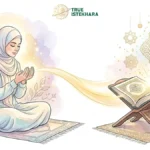
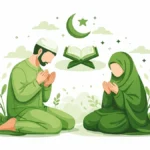
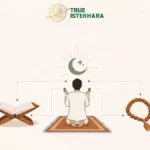
Istikhara has also been misunderstood as a passive practice whereby one waits for dreams and answers. It is rather an act of alignment whereby the heart is made receptive to guidance from above.
Religious symbols have very important functions, including:
- Training Awareness
- Refining Intuition
- Encouraging reflection
- Minimizing anxiety of choice
The correct Istikhara is to recognize that symbols represent an action, not its outcomes, and prepare the soul to receive what will happen.
Contemporary Relevance of Mystical Icons
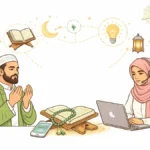
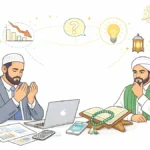
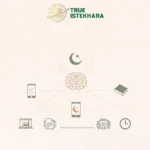
In the current fast-paced digital age, people are under constant decision pressure.
Indeed, True Istikhara’s offering is so appealing because it combines ancient wisdom with accessible presentation.
Cognitive perspectives on symbols:
- Reduce mental overload
- Employ subconscious understanding
- Improve emotional regulation
This is consistent with contemporary views on psychology, which see the use of symbolic imagery for meaning-making and stress mitigation.
Used for good: Used for bad:
Used ethically and spiritually—as in True Istikhara – symbols help maintain psychological well-being without undermining faith or reason
Use of Symbols in Islamic Spirituality – Ethical Issues
True Istikhara has certain lines:
- Symbols are not fortune-telling devices
- Neither superstition nor fatalism
- There is no substitute for prayer.
Instead, symbols serve as tools for reflection that assist learners with sincere supplications as well as reliance upon Allah.
Such an ethical basis is imperative for sustaining authenticity in Islamic spiritual teachings within cyberspace.
In what way is True Istikhara a guide for seekers based on Symbolic
True Istikhara assists seekers in:
- The significance of educating students about authentic symbolism
- Integrating symbols in reflective activities
- Encouraging Clarity, Not Dependency
- Correspondence of Symbolic Interpretations with Istikhara Results
This methodology is empowering people rather than creating dependency: this is one of the principles of Islamic spirituality.
Frequently Asked Questions (FAQs): Spiritual Symbols
Does spiritual symbols are permitted in Islam.
Yes, Symbols can be used in reflection and remembrance but not in reverence and superstition.
Can symbols substitute for Istikhara prayer?
No, The symbols serve as a complement to spiritual knowing, but never substitute for Istikhara, Dua, or dependence on Allah
Does True Istikhara make use of symbols to predict the future?
No. “True Istikhara employs symbolism for clarity, not for predicting the future.
Do symbols have a use in decision-making?
They can promote emotional and spiritual clarity, helping decision-making through the aid of prayer and reason as well.
Is online spiritual direction trustworthy?
If conducted in light of the real principles of Islam—as is seen in True Istikhara—it is possible for it to be very accurate and useful in practice.
Looking for genuine Islamic spiritual guidance? Seeking a deeper understanding of Istikhara or inspired by faith-based reflection? Discover the spiritually attuned services available at True Istekhara and enjoy a well-rounded approach to spirituality that respects the old while accommodating the demands of the new.
Find the starting point for spiritual awakening and alignment by visiting the website. Spiritual symbolism has long led seekers down the path—that is, not toward “answers,” but toward mirrors of truth. In our time of din and distraction, recourse to symbolic knowledge can provide solace and deepen meaning. The manner in which it presents mystical icons, ethical spiritual consultancy, and authentic istikhara guidance illustrates how ancient spirituality can function as a real force within the modern era. This is achieved through its ability to integrate symbols, prayer, and ease of access within a spiritually enhanced future based upon faith, understanding, and trust within the wisdom of God.